
Christopher Naipaul, PT, DPT
Licensed Physical Therapist
Christopher provides physical therapy focused on movement, strength, loading, mobility and functional recovery of the hand, wrist and upper extremity.
 Call now
Hand + wrist condition
Therapy + Rehabilitation in NYC
A distal radius fracture is a break near the wrist end of the radius, one of the two bones of the forearm. Treatment may involve a cast or splint, reduction or surgical fixation depending on the fracture. Once medically appropriate, rehabilitation may address the stiffness, weakness and functional loss that can follow immobilization or surgery.
Private • One-on-one • PT + OT • NYC
A distal radius fracture is a break near the wrist end of the radius, one of the two bones of the forearm.
It is one of the most common wrist fractures and often occurs after a fall onto an outstretched hand.
Treatment may involve a cast or splint, reduction or surgical fixation depending on the fracture. Once medically appropriate, rehabilitation may address the stiffness, weakness and functional loss that can follow immobilization or surgery.
Symptoms vary from person to person, and similar symptoms can sometimes come from other conditions. An appropriate medical or rehabilitation evaluation can help determine what is contributing to the problem.
Rehabilitation
After appropriate medical clearance, therapy may focus on wrist and forearm motion, swelling management, finger mobility, grip, progressive strengthening and return to everyday hand use.
Treatment should respect the fracture's stability, stage of healing and any surgeon-specific precautions.
Your first visit is not simply a collection of exercises. We begin by understanding what you are experiencing, how your hand or wrist is moving, and how the problem is affecting the activities that matter to you.
The exact examination depends on your diagnosis, symptoms, medical history, stage of healing and any instructions provided by your physician or surgeon.
Easy way to get care
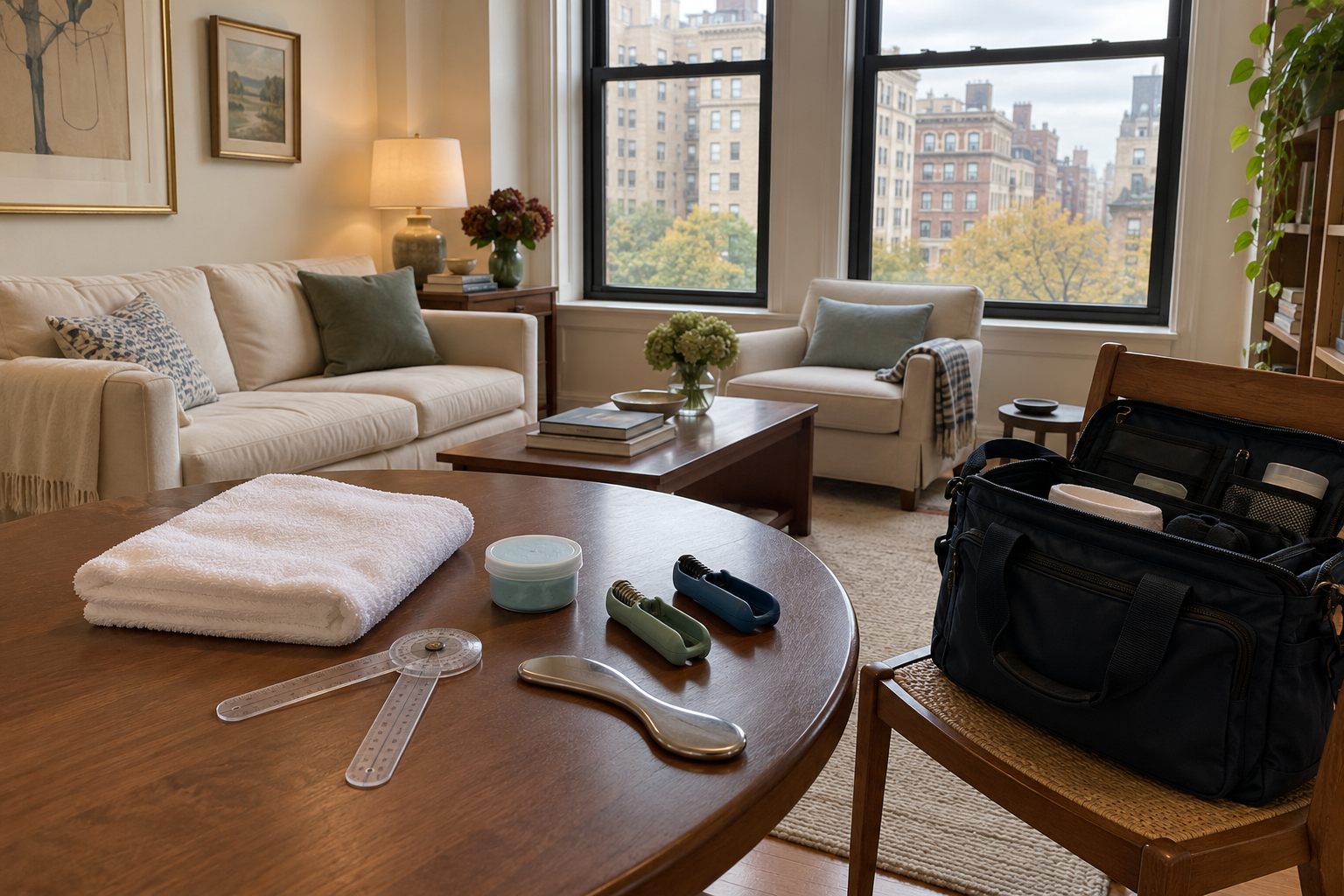
The same clinicians, the same equipment and the same one-on-one attention — we come to you.
Prefer not to travel? We also provide private one-on-one hand and wrist PT/OT in Manhattan and bring the clinical equipment needed for your visit.
Featured neighborhoods
Plus every neighborhood in between: Harlem, Murray Hill, Gramercy, SoHo, NoHo and more.
We come to you
Christopher Naipaul, PT, DPTKelsey Naipaul, OT


Your clinical team
Licensed Physical Therapist
Christopher provides physical therapy focused on movement, strength, loading, mobility and functional recovery of the hand, wrist and upper extremity.
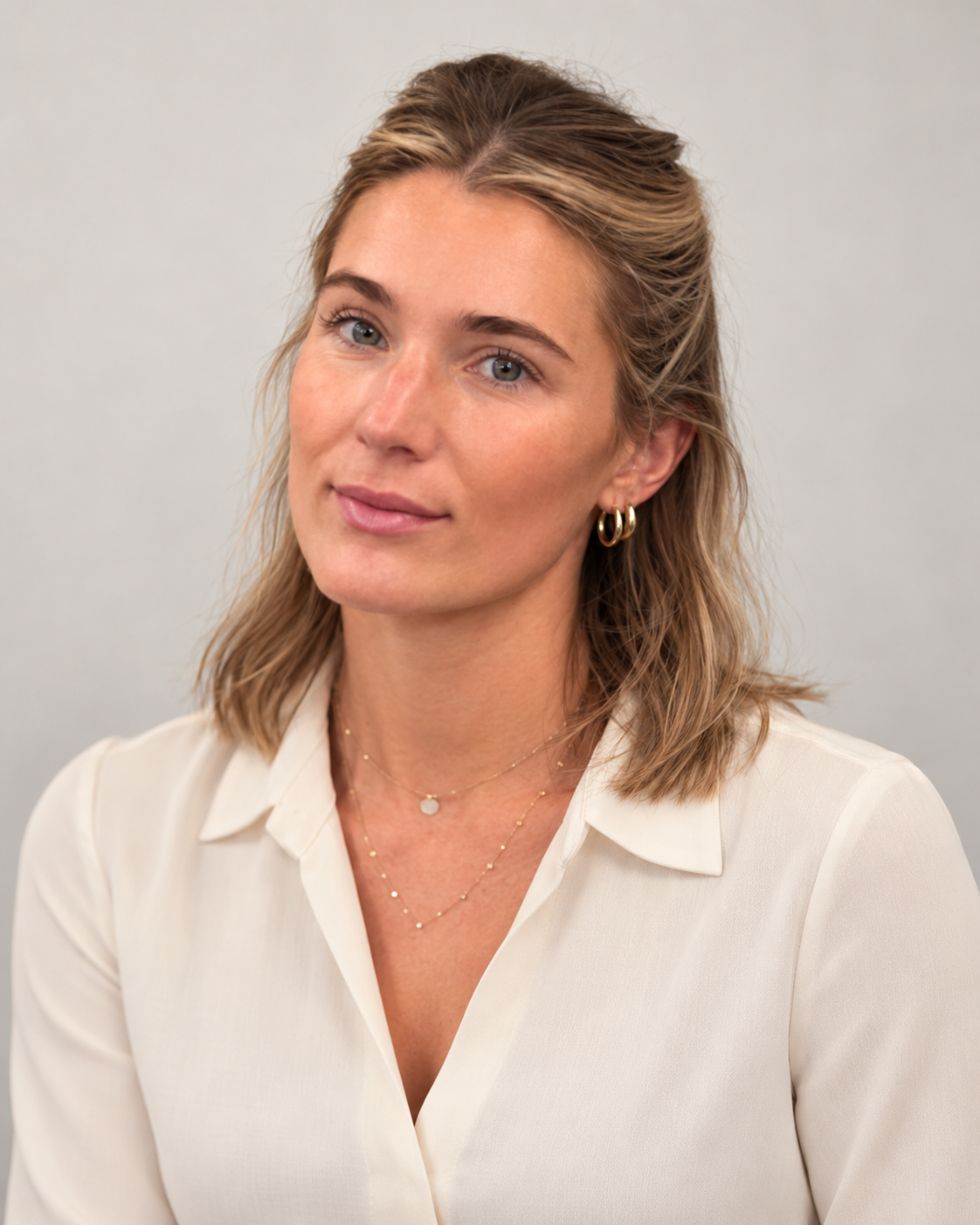
Licensed Occupational Therapist
Kelsey provides occupational therapy focused on hand function, dexterity, fine-motor control, grip and pinch, daily activities and meaningful use of the upper extremity.
Hand and wrist symptoms can have different causes. Therapy is not a substitute for appropriate medical evaluation when one is needed.
Seek prompt medical evaluation for symptoms such as:
Common questions
Speak directly with a licensed physical or occupational therapist about whether rehabilitation may be appropriate for you.